
How to remove fire burn marks from a wall?
Fire burn marks on a wall can be upsetting for homeowners. These marks not only ruin the look of your space but can also cause




Fire burn marks on a wall can be upsetting for homeowners. These marks not only ruin the look of your space but can also cause

Many people confuse “mold removal” and “mold remediation.” But they are not the same. Knowing the difference is key to tackling mold problems well. Mold

Water damage in Columbus, IN, is a big threat to properties. It can come from floods, plumbing issues, or leaks. The damage can be temporary

After a house fire, it’s as important to know what not to do as it is to know what to do. The aftermath of a
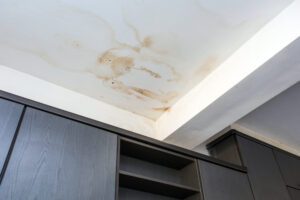
Finding mold in your home early can prevent big health problems. Mold hides in dark, wet places until it’s too late. It can show up
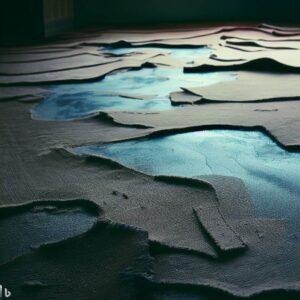
Water damage is a big worry for many homeowners in America. It shows how fragile our homes can be. This damage can come from nature
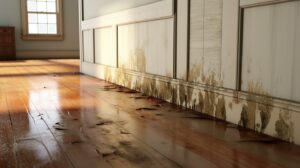
Many homeowners worry if a single water leak can lead to mold. Mold spores are everywhere, thriving in warm, moist places. A leak can start mold growth on materials like wood, drywall, or fabric. While a single leak might not always cause mold, ignoring it can increase the risk. The amount of water, the materials affected, and how well the water is cleaned up matter. Quick action is important to stop mold before it becomes a big problem. Experts say it’s critical to deal with water damage within 24 to 48 hours. This helps prevent mold from taking hold. Key Takeaways The ubiquitous nature of mold spores means a one-time water leak can lead to mold growth if conditions are right. Warmth, moisture, and organic materials are the trifecta that mold seeks for proliferation. Delay in addressing water damage substantially raises the mold after water leak. The severity of the leak and the materials involved play significant roles in mold growth from one-time water leak. Professional intervention is often crucial for preventing mold after severe water damage events. Effective avoidance of mold involves rapid, comprehensive drying and cleanup post-leak. Understanding Mold Growth Conditions Mold grows well where there’s a lot of moisture and organic stuff. In homes, wood, drywall, and other cellulose items soak up moisture. Knowing what encourages mold growth is key to stopping it. The Role of Moisture and Organic Materials in Mold Development Moisture is essential for mold to grow. Without it, mold spores can’t start to spread. Materials like paper, wood, and upholstery give mold the food it needs to grow. When water leaks, these materials get wet. This creates the perfect place for mold to grow. It’s vital to act fast to stop mold damage. Factors Influencing Mold Growth After Water Damage Several things affect how much mold can grow after water damage. How long materials stay wet is a big factor. The quicker they dry, the less chance mold has to grow. Poor air flow and high humidity also help mold grow. Good air circulation and controlling moisture are important. Paying close attention to these can help prevent mold and keep your home safe. Will a One-Time Water Leak Cause Mold? When dealing with a one-time water leak, the one-time water leak mold risk depends on the leak’s severity and how long it lasts. It’s important to know the difference between minor and severe leaks to understand the risk of mold. Assessing the Risk of Mold from Minor vs. Severe Water Leaks A small leak, if fixed quickly, usually doesn’t lead to mold if the area dries fast. But, big leaks, like those from burst pipes or floods, need quick and strong actions to prevent mold after water leak. The amount of water and the type of materials can affect mold growth, with soft materials being more at risk. Immediate Steps to Minimize the Mold Risk After a Leak Find and stop the water source to avoid more damage. Remove extra water with good mopping and blotting.
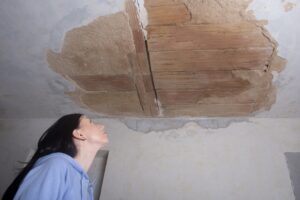
Drywall, also called plasterboard or gypsum board, is key in building Lawrence homes and businesses in the U.S. It’s tough but can weaken if soaked
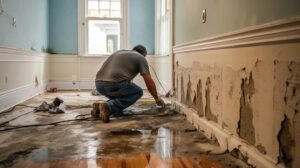
It’s important to know the difference between mold and mildew to keep your home healthy. Both are fungi found in homes but have different effects.
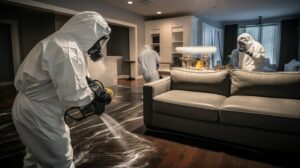
Ever wondered why mold removal costs can vary so much? In the United States, mold remediation costs depend on many factors. This makes it hard
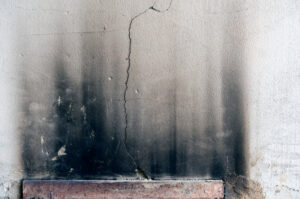
Ever wondered how to get rid of smoke in your home? It’s important to tackle smoke damage quickly to make your home safe and smell
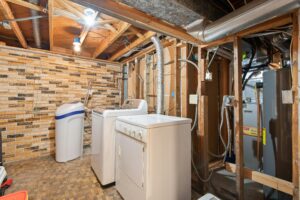
Ever wondered why your basement turns into a mini pool after a storm? Finding out where the water comes from can be tough. But it’s
What if that faint, musty smell near the washer is not just damp clothes? It could be the start of a hidden problem that spreads

House fires are very dangerous, even after the fire is out. Breathing in hot air, smoke, or chemicals can harm your airways and lungs. Smoke
Mold on drywall can cause serious health problems and damage to your Pendleton home. The Environmental Protection Agency (EPA) says homeowners can tackle mold on drywall. But, the extent of the damage is key to deciding
Mold is a big problem in many Lawrence homes. The Environmental Protection Agency (EPA) says almost half of U.S. homes have mold or mildew. It’s
Rebuilding a house after a fire is a big task. It can feel overwhelming for homeowners. The time it takes to fix a house varies
Are hidden mold colonies silently jeopardizing the health of occupants in homes and workplaces across the United States? The presence of mold can lead to
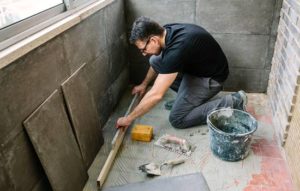
Discovering a hidden water leak in your wall can be a nightmare. But, can you spot the signs before it’s too late? A water leak

Mold can start growing on surfaces within 24 to 48 hours after water damage. This is according to the EPA and CDC. If not addressed,

What determines the cost of restoring a home after a fire? Several factors come into play. These include the home’s size, the fire’s category, and
Water damage under laminate flooring is a Fortville homeowner’s worst fear. It can come from a leaky pipe, a spilled drink, or an overflowing appliance.
Mold is a fungus that grows in damp places. It can harm people’s health. It causes breathing problems, allergies, and more. It’s important to remove
Nearly 1 in 5 homeowners in the United States face water damage each year. Subfloors are very vulnerable to moisture problems. Water can get into
Has your home in Indiana been hit by a fire, and you’re unsure what to do next? Dealing with the aftermath of a house fire
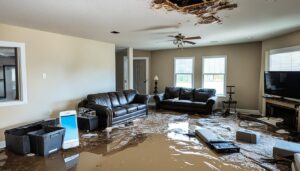
Did you know ceiling water damage repair costs in the US can vary from $200 to $2,500? This wide range is due to several factors,
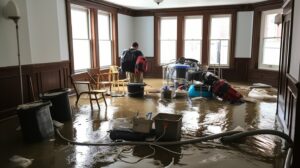
Did you know the average cost for water damage restoration in Indianapolis is about $3,500? This shows how much money is often needed to fix
Imagine finding a small water leak in your home. You might think it’s just a minor issue, easy to fix with a patch or sealant.
Did you know over 14,000 people in the U.S. face water damage emergencies daily? This shows how common and serious it can be. Bad water

Is your subfloor hiding a nasty secret that could be threatening your home’s structure and your health? Mold on subfloors not only poses health risks,